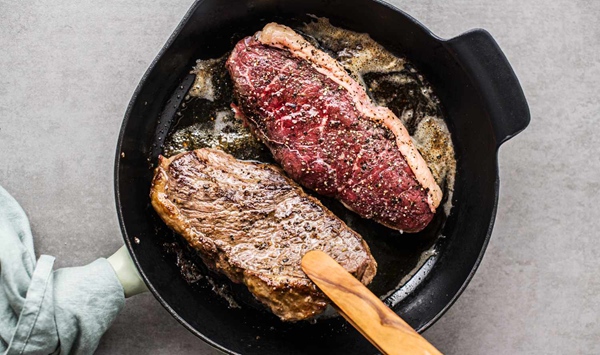
MYTH OR FACT: Searing meat at a high temperature seals in the natural juices and keeps the steak tender.
The Neuro-Nutritional Impact of Modern Culinary Habits: Why Kitchen Myths Debunked Enhance Longevity
The human brain relies heavily on routine culinary actions to maintain executive cognitive function, spatial awareness, and motor coordination. However, many techniques passed down through generations are rooted in outdated folklore rather than empirical food science. When older adults rely on inaccurate culinary advice, they inadvertently risk nutritional loss and preventable foodborne illnesses. Exploring Kitchen Myths Debunked provides a unique opportunity to refresh daily routines while giving your brain an invigorating neuro-cognitive workout.
From a nutritional science standpoint, incorrect cooking habits can significantly diminish the bio-availability of critical vitamins, minerals, and neuroprotective antioxidants. For instance, overcooking delicate greens or using improper cookware materials can degrade folate and carotenoids, which are vital for maintaining microvascular health in the brain. Understanding how Kitchen Myths Debunked influence daily meal preparation empowers seniors to safeguard their cellular health, support metabolic homeostasis, and optimize gut-brain axis communication.
Furthermore, actively unlearning obsolete habits stimulates neuroplasticity. The process of questioning ingrained beliefs forces the brain to form new synaptic connections, bolstering cognitive reserve against age-related decline. By taking the time to study scientific evidence behind everyday cooking techniques, seniors transform simple household tasks into effective, life-enriching mental workouts.
Bridging Culinary Folklore and Food Safety: Elevate Your Habits with a Home Cooking Knowledge Test
Preparing meals at home is one of the most comprehensive daily cognitive activities. It involves working memory, sequential processing, and sensory integration. However, food safety guidelines continuously evolve as microbiologists discover new aspects of pathogen behavior and chemical breakdown. Taking a targeted Home Cooking Knowledge Test allows older adults to measure their current understanding against modern clinical standards, ensuring that kitchen routines remain both safe and intellectually stimulating.
A common misconception among home cooks is that visual inspection or smell alone can determine whether food is safe to consume. Pathogens like Salmonella enterica, Listeria monocytogenes, and Escherichia coli produce no distinct odor or color change at infectious thresholds. Utilizing a structured Home Cooking Knowledge Test helps clarify essential concepts such as the "temperature danger zone" (40°F to 140°F) and the physiological mechanisms of bacterial proliferation, protecting immune-vulnerable individuals from gastrointestinal distress.
Moreover, adopting scientifically verified cooking practices reduces systemic inflammation caused by ingested toxins. Chronic low-grade inflammation is a primary driver of vascular cognitive impairment. By evaluating your daily routines through a standardized test, you protect your body from preventable metabolic stress while maintaining a sharp, discerning mind in the kitchen.
Optimizing Brain Health and Bioavailability: Discover Secrets Through an Everyday Food Science Quiz
The relationship between heat application, enzymatic oxidation, and nutrient retention is a core pillar of preventive medicine. Many adults assume that all raw vegetables are superior in nutrition compared to cooked ones, or that boiling is universally ideal for retaining micronutrients. Engaging with an Everyday Food Science Quiz highlights how different thermal processing methods dramatically alter food's chemical structure, affecting nutrient absorption in aging digestive systems.
For example, lycopene in tomatoes and beta-carotene in carrots become significantly more bioavailable after mild heat treatment breaks down tough plant cell walls. Conversely, water-soluble nutrients like Vitamin C and B-complex vitamins rapidly leach into boiling water. Participating in an Everyday Food Science Quiz teaches you how to balance steaming, sautéing, and roasting to preserve high concentration levels of essential nutrients required for neurotransmitter synthesis and cellular repair.
Additionally, learning the physics of cooking, such as smoke points of unrefined fats and the Maillard reaction, helps prevent the production of harmful advanced glycation end-products (AGEs) and acrylamides. These compounds cause oxidative stress when absorbed into the bloodstream. Understanding culinary biochemistry turns daily meal preparation into a precise, health-promoting habit.
Boosting Cognitive Reserve and Sensory Recall: The Power of Interactive Senior Cooking Trivia
Cognitive training is most effective when grounded in familiar, highly applicable context. Food and cooking evoke rich neural responses, activating memory centers like the hippocampus alongside sensory processing regions in the cerebral cortex. Incorporating Senior Cooking Trivia into your weekly mental routine offers an enjoyable, low-stress method to challenge memory recall, visual-spatial reasoning, and semantic knowledge.
Scientific studies show that novel problem-solving tasks trigger the release of Brain-Derived Neurotrophic Factor (BDNF), a protein crucial for neuron survival and synaptic plasticity. Engaging with thoughtfully curated Senior Cooking Trivia prompts the brain to synthesize long-term memories with newly acquired scientific facts. This dual processing sharpens mental processing speed and enhances daily focus.
Furthermore, culinary trivia encourages meaningful social interaction among peers, family members, and caregivers. Discussing kitchen habits fosters rich conversation, combats social isolation, and reinforces healthy lifestyle choices. Treating culinary wisdom as a lifelong learning journey allows seniors to protect their brain health while keeping meal preparation vibrant and rewarding.
Unlearning Outdated Kitchen Dogma: Challenge Yourself with the Common Food Myths Quiz
Cognitive flexibility, the ability to adapt thinking in response to new, contradictory information, naturally declines with age unless actively exercised. Many cooking habits practiced for decades are based on outdated ideas, such as searing meat to "seal in juices" or washing raw poultry before cooking. Taking our comprehensive Common Food Myths Quiz directly tests your cognitive agility, guiding you toward safer, scientifically sound habits.
When you complete the Common Food Myths Quiz, you participate in deliberate conceptual reframing. This exercise encourages you to evaluate evidence, abandon false assumptions, and internalize updated information. Overcoming stubborn kitchen myths builds confidence in your cognitive capabilities, showing that learning and personal growth continue at every stage of life.
Ultimately, a scientifically updated approach to home cooking leads to better dietary variety, superior flavor extraction, and higher nutritional value. By testing your understanding of daily cooking practices today, you take an active, evidence-based step toward protecting both your physical vitality and long-term cognitive health.
Key Safety Alerts: 5 Kitchen Practices to Reconsider
Certain long-held kitchen habits pose silent risks to food safety, nutritional integrity, and cognitive health. Review these five essential warnings to identify outdated routines and protect your household.
Thawing Frozen Meat on the Countertop
Leaving perishable protein at room temperature allows the outer layers to enter the bacterial "danger zone" (40°F–140°F) while the center remains frozen. Always thaw safely in the refrigerator, under cold running water, or in the microwave.
Rinsing Raw Poultry in the Kitchen Sink
Washing raw chicken spreads microscopic droplets carrying pathogens like Campylobacter and Salmonella across sinks, countertops, and nearby utensils. High cooking temperatures are the only safe way to eradicate pathogens.
Storing Hot Leftovers Directly in the Refrigerator
Placing large containers of boiling food directly into the fridge raises the internal ambient temperature, exposing nearby foods to unsafe conditions. Divide large portions into shallow containers to speed up cooling.
Using Worn Sponges Beyond Their Hygienic Lifespan
Kitchen sponges are prime breeding grounds for pathogenic bacteria. Disinfect sponges daily in the microwave or dishwasher, and replace them every 1 to 2 weeks to avoid cross-contaminating clean surfaces.
Overheating Oils Beyond Their Smoke Point
Cooking with delicate oils past their smoke point breaks down beneficial fatty acids, releasing toxic free radicals and pro-inflammatory compounds. Match high-heat cooking with stable, high-smoke-point oils like avocado or light olive oil.
Frequently Asked Questions (FAQ)
The most reliable way to test your everyday cooking habits is to compare your techniques against established health guidelines from trusted sources like the USDA or FDA. Taking interactive culinary science quizzes on VIGOO.com is an enjoyable, structured way to assess your routines, discover hidden cross-contamination risks, and learn how to preserve vital micronutrients.
Most long-standing kitchen myths are scientifically false. While younger immune systems may cope with mild bacterial exposure from improper food handling, older adults experience a natural decline in immune response (immunosenescence) and stomach acid production. Following accurate food safety guidelines is critical for seniors to prevent severe foodborne illness and systemic inflammation.
To preserve food properly at home, focus on strict temperature control and moisture management. Keep your refrigerator set below 40°F (4°C), store perishable items in airtight glass or BPA-free containers, and label items with preparation dates. Furthermore, avoid placing milk or eggs in the refrigerator door where temperature fluctuates most.
Cooking temperature and nutrition facts are directly linked through thermal degradation and nutrient leaching. Water-soluble vitamins like Vitamin C and B-complex degrade under high heat and dissolve in cooking water. Conversely, fat-soluble antioxidants like lycopene and lutein become more bioavailable with gentle heating. Steaming or brief sautéing at moderate temperatures balances nutrient retention and absorption.
Taking interactive food science quizzes stimulates several areas of the brain responsible for logic, executive planning, and semantic memory recall. By challenging ingrained habits with updated scientific facts, seniors promote synaptic plasticity, strengthen cognitive reserve, and turn daily routines into beneficial mental exercises.