What Fruit Is This? Test Your Brain Age

1
/ 20

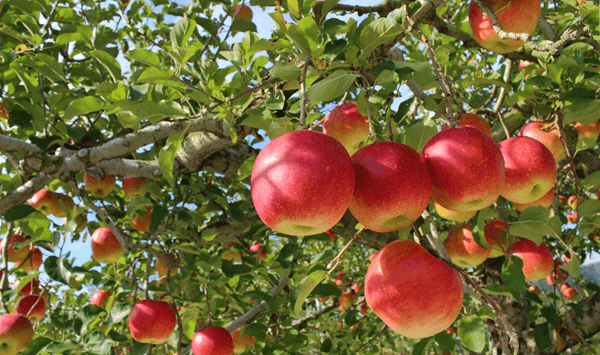
Which round, red-skinned fruit is famous for the saying "An apple a day keeps the doctor away"?

Which round, red-skinned fruit is famous for the saying

Unlock Cognitive Health with a Fruit Identification Quiz

As we navigate through middle age and our golden years, maintaining mental sharpness becomes just as essential as caring for physical health. Everyday cognitive challenges, such as recognizing familiar shapes, vibrant colors, and subtle textures, play a crucial role in stimulating our neural pathways. Engaging in a regular Fruit Identification Quiz offers far more than simple entertainment; it serves as a powerful exercise for semantic memory and visual discrimination. By challenging your mind to identify diverse fruits under zoomed-in or partial angles, you trigger key areas of the brain responsible for visual processing and memory retrieval.

Research in cognitive neuroscience reveals that object recognition relies on a complex network connecting the visual cortex in the occipital lobe to the temporal lobe, where long-term memory is stored. When you participate in a Fruit Identification Quiz, your brain rapidly retrieves stored sensory details, such as the unique seeds of a strawberry, the fibrous skin of a kiwi, or the distinct curve of a banana. This rapid recall helps keep your mind young by reinforcing synaptic connections that can naturally slow down with age.

Furthermore, incorporating fun brain exercises for over 50 into your daily routine creates a protective buffer against cognitive decline. By transforming simple visual recognition into an engaging challenge, you encourage your brain to remain adaptable, resilient, and active. Interactive visual quizzes provide an approachable, low-stress method to benchmark your observation skills while enjoying an uplifting mental workout.

Sharpen Perception Using a Visual Observation Quiz

Visual observation is one of our primary sensory gateways to the world, yet visual processing speed naturally declines as we age. A targeted Visual Observation Quiz challenges your brain to perceive fine details, discriminate subtle color variations, and reconstruct complete images from limited visual cues. This type of mental stimulation acts like a gym workout for your visual cortex, encouraging the brain to maintain high-speed information processing and keen focus.

When undertaking a Visual Observation Quiz, your executive function is called into action. Your brain must filter out visual noise, analyze geometric patterns, and match observed details with stored cognitive categories. Utilizing a visual observation quiz regularly as part of a daily mental workout for retirees helps improve concentration, spatial awareness, and fine visual focus in day-to-day life, from reading small print to navigating unfamiliar environments safely.

Moreover, cognitive flexibility, the ability to adapt to new information, is significantly boosted through continuous visual training. By regularly exercising your eyes and brain together, you actively stimulate neuroplasticity. This adaptability ensures that your brain remains agile, allowing you to react faster and retain visual information with clarity and ease.

Measure Mental Vitality with a Brain Age Test

Many older adults wonder how their cognitive speed compares to previous years. Taking an interactive Brain Age Test provides invaluable insights into your current processing speed, visual memory capacity, and recognition accuracy. Unlike formal medical evaluations, a modern Brain Age Test offers a friendly, accessible snapshot of your cognitive vitality, encouraging proactive brain care in a supportive format.

Cognitive age often differs from chronological age. While your birth certificate marks the passage of years, a comprehensive Brain Age Test measures your functional agility, how quickly your brain decodes visual stimuli, makes logical associations, and accesses long-term memory stores. Regular testing allows you to track changes over time, celebrating improvements as you practice targeted cognitive exercises.

Integrating regular cognitive self-assessments into your lifestyle empowers you to take charge of your mental longevity. Whether your goal is to maintain current cognitive function or rebuild mental agility, taking a simple assessment helps you identify areas for enhancement while reinforcing positive habits that promote lifelong brain health.

Holistic Strategies for Lifelong Brain Agility

While digital challenges like a Fruit Identification Quiz or a Visual Observation Quiz offer targeted mental stimulation, maintaining optimal brain health requires a comprehensive, holistic lifestyle approach. Nourishing your brain involves a synergy of physical activity, balanced nutrition, social engagement, and continuous learning to ensure long-term vitality.

Physical movement, particularly aerobic exercise such as brisk walking or swimming, increases blood flow to the brain, delivering essential oxygen and nutrients while encouraging the growth of new neurons. Pair physical exercise with a nutrient-rich Mediterranean diet, packed with antioxidants, healthy fats, leafy greens, and colorful berries, to protect brain cells from oxidative stress and inflammation.

Equally important is maintaining vibrant social connections and engaging in novel experiences. Joining social clubs, learning a new language or musical instrument, and solving daily visual puzzles create a rich environment for your brain. By building a balanced daily routine, you create the ultimate foundation to keep your mind young and energized for decades to come.

5 Subtle Cognitive Changes to Watch For

While occasional forgetfulness is a normal part of aging, recognizing subtle shifts in visual perception and recall can help you take proactive steps early. Here are 5 signs to monitor regarding your visual and cognitive wellness:

1. Hesitation in Naming Common Objects

Experiencing frequent "tip-of-the-tongue" moments when identifying everyday items, fruits, or tools can indicate a slight slowing in semantic retrieval pathways.

2. Slower Visual Processing Speed

Taking longer to recognize familiar faces, signs, or image details during visual tests may signal a decrease in visual cortex processing efficiency.

3. Difficulty Distinguishing Colors or Textures

Struggling to differentiate close color shades or subtle surface textures can reflect changes in both ocular health and visual sensory integration.

4. Reduced Visual Concentration

Finding it challenging to focus on detailed visual tasks, puzzles, or reading for extended periods may point to declining mental stamina and focus.

5. Spatial Awareness Misjudgments

Misjudging distances or struggling with partial visual perspectives indicates that parietal lobe visual-spatial mapping requires more active exercise.

Frequently Asked Questions (FAQ)

Q1: How can a simple Fruit Identification Quiz help test my brain age?

A Fruit Identification Quiz tests your semantic memory and visual processing speed simultaneously. By prompting you to identify familiar items from partial visual cues, the quiz measures how efficiently your brain retrieves stored visual knowledge, giving an accurate picture of visual mental agility.

Q2: What makes a Visual Observation Quiz effective for seniors over 50?

A Visual Observation Quiz targets neural networks responsible for attention, feature extraction, and pattern recognition. For older adults, regular exposure to visual observation challenges helps slow natural age-related cognitive decline and enhances concentration in daily life.

Q3: How often should I complete a Brain Age Test?

Taking a Brain Age Test once or twice a week is an ideal frequency. This consistency allows you to track progress, observe cognitive trends, and maintain motivation without feeling overwhelmed or exhausted.

Q4: Can brain exercises replace medical evaluations for memory loss?

No. While engaging in a daily mental workout for retirees and enjoying fun brain exercises for over 50 are fantastic proactive measures for maintaining mental wellness, they are designed for training and entertainment. They do not replace formal diagnostic evaluations by healthcare professionals.