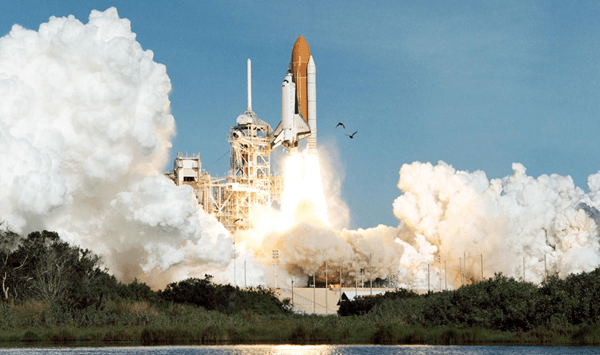
What was the name of NASA's very first reusable space shuttle, which launched on its inaugural orbital mission in April 1981?
Unlocking Brain Vitality with American History Trivia
As we navigate through the golden years of life, maintaining cognitive sharp intellect and memory agility becomes a paramount priority. Scientific research consistently reveals that actively retrieving long-term memories acts as a powerful workout for the human brain. Participating in American History Trivia isn't just an entertaining pastime, it is a scientifically validated brain training exercise that stimulates neural connectivity, strengthens synaptic pathways, and promotes lifelong cognitive resilience.
When you attempt to recall pivotal events, cultural milestones, or legendary figures, your brain activates the hippocampus and prefrontal cortex simultaneously. This dual activation encourages neuroplasticity, the brain's miraculous ability to reorganize itself by forming new neural connections throughout aging. By engaging in American History Trivia, you invite your mind to travel back in time, re-awakening dormant memory networks while enjoying a delightfully rewarding mental workout.
Furthermore, nostalgic cognitive training offers an incomparable emotional uplift. Reliving the vibrant eras of our past fosters a deep sense of identity, comfort, and pride. Whether you are revisiting the monumental victories of mid-century space exploration or recognizing Moments Every Baby Boomer Remembers, these intellectual challenges serve as an invigorating bridge between happy historical memories and optimal brain health. Preparing your mind for a quick daily challenge is one of the most pleasurable habits you can build today!
How a 20th Century History Quiz Reinvigorates Cognitive Health
The twentieth century was a period of unprecedented transformation, marked by dramatic cultural shifts, groundbreaking technological leaps, and world-defining events. Engaging with a targeted 20th Century History Quiz challenges your episodic and semantic memory systems, forcing your brain to synthesize chronological facts with vivid visual imagery. This active mental recall helps prevent cognitive decline and keeps processing speed remarkably nimble.
When older adults participate in a structured 20th Century History Quiz, they participate in what neuroscientists call reminiscence therapy. This process involves retrieving rich personal and historical context surrounding the Golden Age of America. Remembering where you were during historic broadcasts, identifying famous leaders, or recalling revolutionary inventions forces the brain to cross-reference dates, places, and emotions, providing a comprehensive workout for all memory centers.
Additionally, visual brain training, such as identifying legendary photographs from past decades, sharpens spatial awareness and pattern recognition. If you've ever asked yourself, Can You Pass This Historic Photo Test?, you already know the thrilling sensation of a instant memory click. These Unforgettable 20th Century Moments serve as cognitive anchors that keep senior minds active, vibrant, and deeply connected to world history.
Visual Memory Training through Iconic Moments in History
Visual clues are among the most potent triggers for memory retrieval in the human brain. When you look at an old black-and-white photo or a classic news headline, your occipital lobe collaborates with memory storage centers to recreate detailed scenes from the past. Exploring Iconic Moments in History provides a fun visual brain gym that enhances observational accuracy and visual processing speed in mature adults.
By regularly examining photo-based questions featuring Iconic Moments in History, seniors exercise their fluid intelligence, the ability to think logically and solve problems independently of acquired knowledge. This form of training is especially effective because it combines visual recognition with mental association, prompting instant recall of names, places, and significance within seconds.
Integrating a regular Historic Nostalgia Quiz into your weekly routine creates a balanced cognitive workout that feels more like play than work. Testing your historical awareness with questions like How Well Do You Know US History offers immediate mental stimulation while reinforcing long-term memory reserves. Enjoying Fun American History Trivia is a delightful, low-stress way to celebrate your lifetime of knowledge while giving your brain the exercise it craves.
Challenge Your Cognitive Agility with a Historical Memory Test
Cognitive fitness requires continuous challenge and variety. Standard memory exercises can sometimes feel monotonous, but completing a dynamic Historical Memory Test transforms routine brain training into an exciting quest for discovery. By testing how quickly and accurately you can recall dates, leaders, and cultural triumphs, you actively preserve your executive brain functions.
Taking a comprehensive Historical Memory Test helps evaluate your current memory retentiveness in a supportive, enjoyable atmosphere. As seniors test their historical knowledge, they flex their processing flexibility, working memory capacity, and mental endurance. It is a proven confidence booster that proves age is no barrier to an agile, razor-sharp mind.
Are you curious to see how your historical mastery compares with peers across the nation? Many online challenges claim that Only 1 in 10 Seniors Can Pass their top-tier history exams. Taking a specialized Senior History Quiz allows you to prove your wisdom, celebrate your life experience, and put your mental acuity to the test. Challenge yourself today and discover how sharp your historical memory truly is!
Rediscovering Heritage with Classic American History
History is not merely a collection of dusty facts; it is a rich tapestry of human perseverance, innovation, and shared heritage. Immersing yourself in Classic American History revitalizes your passion for learning while offering a rich source of cognitive enrichment. Every story, speech, and historical milestone contains intricate details that challenge the brain's associative memory networks.
When you spend time reviewing key themes from Classic American History, you stimulate emotional pathways that support mental health and cognitive longevity. Reflecting on questions such as Do You Remember These Events allows you to share fascinating stories with grandchildren, friends, and family, transforming individual brain training into meaningful intergenerational connection and lifelong learning.
At VIGOO.com, we believe that brain fitness should always be inspiring, empowering, and deeply enjoyable. By combining scientific brain-training principles with rich historical context, our quizzes help you maintain peak mental sharpness while honoring the remarkable events that shaped our world. Turn back the clock, activate your mind, and embark on a rewarding journey through time today!
Cognitive Health & Memory Wellness Checkpoints
While testing your history knowledge is a fantastic brain workout, paying attention to your everyday cognitive wellness is equally essential. Here are 5 vital signs and tips to help keep your brain sharp and healthy as you age:
① Delayed Name & Date Recall
Occasional hesitation when recalling specific dates or historical names is natural. Regular trivia and word recall games help maintain quick neural retrieval pathways.
② Reduced Visual Recognition
Struggling to recognize familiar faces or classic photos can signal a need for more visual processing exercises, such as photo-based history matching quizzes.
③ Difficulty Connecting Chronological Events
If putting historical events or personal life timelines in sequence feels challenging, practicing timeline puzzles provides excellent prefrontal cortex training.
④ Sluggish Mental Processing Speed
A slight slowing in response time is common with age. Timed trivia quizzes and interactive memory tests help restore rapid problem-solving abilities.
⑤ Reduced Curiosity and Mental Engagement
Losing interest in learning new facts or revisiting past events can lead to cognitive stagnation. Engaging daily with exciting history trivia sparks curiosity and keeps the mind active.
Frequently Asked Questions (FAQ)
Taking a history trivia quiz engages long-term semantic memory and stimulates neuroplasticity. Recalling historical facts and visual images strengthens neural connections, improves mental processing speed, and helps maintain sharp cognitive function as you age.
Consistency is key! Spending just 10 to 15 minutes a day on interactive quizzes, photo memory challenges, or trivia exercises provides optimal cognitive stimulation without causing mental fatigue.
20th-century history covers events that many seniors experienced firsthand or learned about during their formative years. Reliving these moments taps into autobiographical and emotional memory, making retrieval easier and deeply satisfying.
Yes! Photo-based quizzes force the brain to process visual features, patterns, and historical contexts simultaneously. This multi-sensory recall strengthens spatial awareness and sharpens overall visual perception.
Don't worry at all! The cognitive benefit comes from the *effort* of trying to recall information, not just getting a perfect score. Treat missed questions as exciting opportunities to learn something new and keep your brain growing!