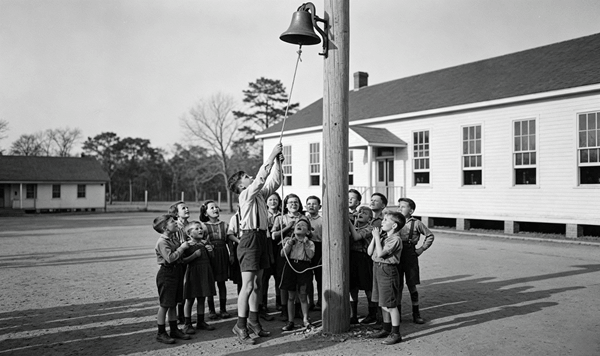
Look at this nostalgic photo! What classic traditional duty is this student performing for the school?
Unlock Your Brain's Potential with a High School Nostalgia Quiz
Stepping back into the energetic hallways of the mid-20th century is not just a pleasant journey down memory lane, it is an extraordinary workout for your mind! Engaging in a High School Nostalgia Quiz offers an ideal blend of entertainment and cognitive stimulation tailored specifically for mature adults. When you recall the catchy pop melodies, iconic cafeteria lunches, or distinct fashion trends of your youth, your brain awakens stored neural networks that may have lain quiet for decades. At VIGOO.com, we believe that brain training should feel like an exciting celebration of your lived experiences rather than a tedious chore.
Neuroscientists have repeatedly demonstrated that autobiographical memory retrieval, the act of accessing personal past events, ignites multiple regions across the cerebral cortex. By challenging yourself with questions about your teenage years, you encourage the brain to form fresh synaptic connections and build cognitive reserve. The High School Nostalgia Quiz serves as an invigorating mental warmup that sharpens processing speed, enhances focus, and fosters an uplifting mood grounded in fond recollections.
Reliving 1950s and 1960s High School Memories to Spark Neuroplasticity
The mid-20th century was a golden era of vibrant cultural shifts, rock-and-roll revolutions, and unique high school traditions. Immersing yourself in 1950s and 1960s High School Memories activates deep sensory associations. Thinking back to the crisp sound of vinyl records spinning on a jukebox, the scent of leather jackets, or the lively atmosphere of Friday night football games triggers vivid sensory pathways. These sensory cues work as powerful keys, unlocking dormant memory banks and strengthening neural pathways responsible for long-term retention.
By regularly revisiting these 1950s and 1960s High School Memories, older adults can actively combat age-related cognitive slowdown. Reminiscence exercises stimulate dopamine release, the neurotransmitter responsible for motivation and pleasure, making learning and memory recall a joyful experience. Whether you were a star athlete, a dedicated honor student, or a jukebox regular, re-igniting those unforgettable high school moments gives your brain an immediate, refreshing boost.
The Cognitive Science Behind 50s 60s Nostalgia Trivia
Why is memory retrieval through targeted trivia so effective for cognitive wellness? When you participate in 50s 60s Nostalgia Trivia, your brain engages in complex mental search operations. It cross-references context clues, filters out incorrect information, and retrieves precise facts from long-term storage. This process strengthens the connection between the hippocampus, the brain's primary memory hub, and the prefrontal cortex, which governs decision-making and executive functioning.
Moreover, taking time to work through 50s 60s Nostalgia Trivia encourages social connection and meaningful storytelling. Sharing answers with friends, siblings, or grandchildren creates intergenerational bridges while reinforcing verbal fluency. Brain training thrives when combined with positive emotional resonance, and few topics spark as much genuine happiness as the timeless music, legendary cars, and timeless slang of the fifties and sixties.
Exploring Teen Life in the 50s and 60s as Daily Cognitive Exercise
Growing up during this classic era meant experiencing a world filled with sock hops, drive-in theaters, standard-shift hot rods, and home economics classes. Reflecting on Teen Life in the 50s and 60s forces your brain to contextualize historical details, chronology, and cultural norms. This deliberate mental workout exercises fluid intelligence, allowing you to synthesize past information quickly and accurately.
Incorporating memories of Teen Life in the 50s and 60s into your daily mental fitness routine is both fun and deeply rewarding. As you answer questions about vintage hairstyles, classic television sitcoms, and iconic dances like the Twist or the Stroll, you give your brain the dynamic variation it craves. Dynamic cognitive challenges keep your mind adaptable, flexible, and ready to take on new daily tasks with confidence.
Challenge Your Mind with the Golden Days High School Quiz
Are you ready to test your knowledge and give your brain a delightful tune-up? Our specially designed Golden Days High School Quiz features a curated selection of questions that span pop culture, academic life, sports, and daily teenage routines from decades past. Active recall exercises like this quiz push your brain past simple recognition, forcing active retrieval mechanisms that keep your cognitive faculties sharp and resilient.
Every question answered in the Golden Days High School Quiz offers an opportunity to celebrate your knowledge while supporting healthy brain aging. It doesn't matter whether you achieve a perfect score or miss a few obscure trivia points; the true cognitive value lies in the active process of searching, thinking, and reflecting. Give your brain the celebratory workout it deserves today!
Test Your Recall with a Deep-Dive School Days Memory Test
Taking a targeted School Days Memory Test is a wonderful diagnostic tool to evaluate your recall speed and visual memory. As we age, keeping our memory retrieval channels active is essential for maintaining independent thinking and strong mental sharpness. This interactive test offers a structured yet lighthearted environment where you can stretch your mental muscles without stress or pressure.
Completing this School Days Memory Test gives you valuable insight into how easily you can pull detailed information from your long-term memory. Combine this quiz habit with healthy physical activity, continuous learning, and balanced nutrition, and you have a holistic blueprint for vibrant brain health throughout your golden years!
5 Key Signs & Tips for Reminiscence & Cognitive Health
As you enjoy exploring classic high school culture 50s 60s nostalgia, keep these 5 vital brain fitness signs and practices in mind to maximize your cognitive wellness journey:
① Tip: Embrace "Tip-of-the-Tongue" Moments
When taking a Boomer nostalgia quiz, don't rush or feel stressed if a name escapes you! Pause, take a deep breath, and let your brain search its memory banks naturally, this mental effort builds stronger neural pathways.
② Sign: Visual Memory Activation
If remembering details about growing up in the 50s and 60s brings back sharp visual images, that is a sign of strong visual cortex stimulation and healthy long-term memory recall.
③ Tip: Combine Music with Nostalgia
Pairing 50s and 60s trivia with music from that era engages auditory pathways, boosting emotional connection and making brain training significantly more effective.
④ Sign: Emotional Uplift & Mood Boost
Notice a surge of positivity when remembering sock hops or classic high school culture 50s 60s? Positive emotions release endorphins that actively protect brain health and reduce stress.
⑤ Tip: Share Stories for Verbal Fluency
Turn quiz questions into conversation starters with friends or family. Verbalizing stories about growing up in the 50s and 60s exercises language networks and keeps social connections strong.
Frequently Asked Questions (FAQ)
Taking a nostalgia quiz activates autobiographical memory networks, encouraging the brain to retrieve long-term stored information. This process stimulates neuroplasticity, enhances attention span, and elevates mood through positive emotional connections to the past.
The adolescent and early adult years represent a period of high emotional intensity and identity formation. Memories formed during this time are deeply encoded in the brain, making them exceptionally effective targets for reminiscence therapy and cognitive training.
Consistency is key! Engaging in brain training or trivia games 3 to 5 times a week for 10-15 minutes provides steady mental stimulation without causing fatigue, helping keep your brain sharp and agile.
While trivia games alone are not a cure, regularly challenging your brain with trivia builds cognitive reserve. Combined with exercise, proper nutrition, and social interaction, mental challenges play a major role in maintaining long-term brain health.
Absolutely! Sharing these quizzes with children or grandchildren is a fantastic way to bridge generations, spark delightful story-telling sessions, and exercise social-cognitive pathways simultaneously.