Can You Recognize These National Flags?

9
/ 20

Which country's flag features the Union Jack in the top left corner, a large seven-pointed star, and small stars representing a constellation?
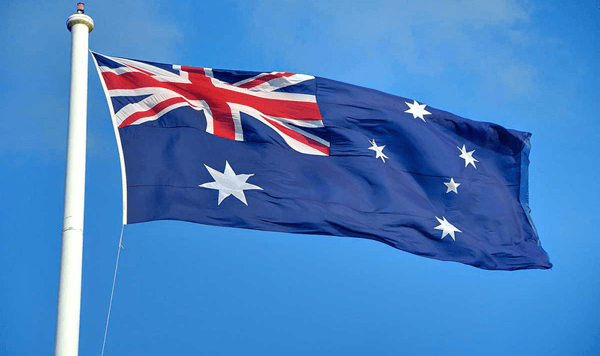
Which country's flag features the Union Jack in the top left corner, a large seven-pointed star, and small stars representing a constellation?

Unlocking Cognitive Vitality: Why a National Flag Quiz for Seniors is the Ultimate Brain Workout

As we age, keeping our minds agile, resilient, and engaged becomes just as essential as maintaining physical strength. Cognitive health is built upon continuous learning, mental stimulation, and the active retrieval of stored knowledge. Participating in a National Flag Quiz for Seniors offers a delightful yet scientifically grounded way to challenge your brain. By pairing visual patterns with geographical knowledge, older adults can activate critical neural pathways responsible for long-term memory, pattern recognition, and executive function.

Visual recognition exercises serve as a cornerstone of modern cognitive maintenance for older adults. When you attempt to Recognize world flags, your visual cortex works in tandem with your temporal lobe to match shapes, colors, and unique heraldic symbols with country names. Engaging regularly in a comprehensive Flag Identification Quiz helps reinforce these synaptic connections, preventing cognitive drift and sharpening daily focus. It is not merely a test of memory; it is an active workout for your brain's processing speed and spatial intelligence.

Furthermore, testing your knowledge through a structured World Geography Quiz provides a fulfilling sense of accomplishment and curiosity. Exploring Famous flags of the world connects retirees to global history, international travel memories, and cultural awareness. Whether you are playing independently or sharing Fun trivia for retirees with friends and family, this mental exercise delivers meaningful cognitive benefits wrapped in an entertaining, stress-free activity tailored specifically for mature learners.

The Neuroscience of Memory: How a Flag Identification Quiz Stimulates Your Brain

The human brain possesses a remarkable capacity for neuroplasticity, the ability to reorganize itself by forming new neural connections throughout life. When seniors participate in a Flag Identification Quiz, they engage both the left and right hemispheres of the brain simultaneously. The right hemisphere processes the colorful geometry, stripes, and International flag symbols, while the left hemisphere retrieves the corresponding country name, capital, and historical context. This dual-activation is one of the most effective ways to preserve mental agility.

Research in cognitive aging highlights that multi-modal learning, combining visual imagery with semantic memory, strengthens cognitive reserve. A well-designed National Flag Quiz for Seniors leverages this exact principle. As you evaluate subtle differences between similar banners (such as the flags of Australia and New Zealand, or Chad and Romania), your brain exercises fine-grained discrimination and attention to detail. This level of visual discrimination is vital for everyday tasks, such as reading fine print, navigating new environments, and recognizing familiar faces.

Integrating World flag trivia into your weekly routine provides consistent, low-impact mental exercise. Unlike passive activities like watching television, interacting with a World Geography Quiz requires active effort and recall. Over time, these brief periods of focused attention help improve working memory, lengthen attention spans, and enhance overall processing speed, proving that brain training can be both scientifically impactful and genuinely enjoyable for retirees.

Explore the Globe from Home: Mental Wellness Through a World Geography Quiz

Travel and exploration have long been linked to enhanced mental well-being and psychological vitality. For many seniors, however, long-distance travel may become less frequent. Taking part in a World Geography Quiz allows you to embark on a virtual journey across continents from the comfort of your favorite armchair. Revisiting global landmarks, historical emblems, and national flags revives fond memories of past trips and sparks renewed curiosity about the world's diverse cultures.

Mental stimulation through geographic discovery acts as a natural buffer against cognitive decline. When you engage with a National Flag Quiz for Seniors, you aren't just memorizing symbols; you are building mental anchors. Learning about the stories behind Famous flags of the world, such as why Canada selected the maple leaf or what the stars represent on the Brazilian flag, adds rich narrative context that makes visual memory far more durable and accessible over time.

Moreover, participating in a regular Flag Identification Quiz encourages lifelong learning, a proven trait among individuals who maintain sharp mental acuity well into their golden years. Combining lighthearted social interaction with Fun trivia for retirees fosters emotional connection and reduces feelings of isolation. Challenging your mind with geography is a celebration of lifelong knowledge and an empowering step toward sustained brain fitness.

Practical Habits for Maintaining Peak Cognitive Sharpness in Senior Years

While targeted brain games and quizzes are exceptionally valuable, they work best when integrated into a holistic lifestyle focused on overall brain health. Physical exercise, balanced nutrition rich in omega-3 fatty acids and antioxidants, quality sleep, and regular social interaction form the foundation of lifelong mental clarity. When combined with daily cognitive challenges, these healthy habits help keep your mind resilient against age-related changes.

To maximize the cognitive benefits of your daily routine, consider pairing active recall tasks like a World Geography Quiz with daily physical movement, such as walking or gentle yoga. Physical movement increases blood flow to the brain, delivering vital oxygen and nutrients that support memory retention. Following your morning walk with a quick Flag Identification Quiz creates a powerful synergy between physical vitality and mental exercise.

Consistency is far more effective than intensity when it comes to neuroplasticity. Spending 10 to 15 minutes each day testing your knowledge with a National Flag Quiz for Seniors delivers far greater cognitive rewards than hours of occasional study. Keep your learning environment relaxing and encouraging, celebrate your progress, and treat every incorrect answer not as a mistake, but as a exciting opportunity to acquire new global knowledge.

Key Insights: 5 Warning Signs of Cognitive Fatigue to Watch For

While challenging your brain with trivia and geography is highly beneficial, it is equally important to listen to your body and mind. Recognizing early signs of cognitive exhaustion or memory overload allows you to rest, reset, and maintain a healthy balance in your brain training journey.

① Visual Processing Strain

Experiencing unusual eye fatigue, headache, or difficulty distinguishing fine details and colors when trying to Recognize world flags indicates it is time to take a restful break.

② Frequent Mental Tip-of-the-Tongue Moments

Struggling continuously to recall simple, familiar names during a Flag Identification Quiz can be a signal of temporary brain fatigue, stress, or lack of restful sleep.

③ Difficulty Maintaining Attention

If your focus drifts quickly after just a few questions during a National Flag Quiz for Seniors, your brain may be signaling a need for hydration, physical movement, or mental rest.

④ Frustration or Emotional Stress

Brain training should always feel uplifting. Feeling stressed or overwhelmed by missed questions defeats the purpose of engaging in Fun trivia for retirees.

⑤ Delayed Recall Speed

Noticing a significant slowing in how quickly you process International flag symbols during a World Geography Quiz often suggests overall physical tiredness or cognitive overload.

Frequently Asked Questions (FAQ)

Q1: How does a National Flag Quiz for Seniors help protect cognitive memory?

A National Flag Quiz for Seniors stimulates both visual recognition and semantic memory networks in the brain. By requiring you to analyze colors, geometric patterns, and symbols while retrieving country names, it exercises multi-regional brain function, promoting neuroplasticity and preserving mental clarity in older adults.

Q2: How often should older adults participate in a Flag Identification Quiz?

Consistency is key. Engaging in a short 10-to-15-minute Flag Identification Quiz 3 to 5 times per week yields optimal results. Short, regular brain workouts keep synapsis active without causing mental fatigue or eye strain.

Q3: What if I struggle to Recognize world flags during the test?

Struggling initially is completely natural and actually beneficial! The act of working to remember triggers neural effort, which is precisely what builds cognitive reserve. View every missing answer in a World Geography Quiz as a positive learning opportunity rather than a failure.

Q4: Are these geography quizzes suitable for retirees with varying knowledge levels?

Yes! Our quizzes feature structured difficulty levels ranging from Famous flags of the world (such as Japan, the United Kingdom, or Canada) to more challenging World flag trivia. This ensures that every participant, regardless of background, experiences an enjoyable and rewarding brain workout.